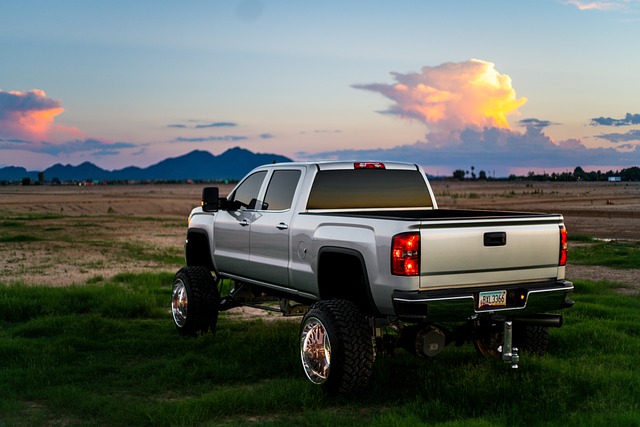
This article delves into the world of off-roading on McCallen’s favorite overland 4×4 trails, focusing on an essential upgrade: caliper kits. We’ll explore why these kits are crucial for enhanced performance, improved braking power, and a smoother, safer off-road experience. Along with technical details, we’ll offer practical tips for installation and highlight the benefits experienced drivers swear by.
McCallen’s Favorite Overland 4×4 Trails: A Driver’s Paradise
For adventurous souls craving an exhilarating escape from daily life, McCallen’s favorite overland 4×4 trails offer a network of challenging and breathtaking routes. These paths, renowned for their diverse terrain and stunning natural beauty, attract off-road enthusiasts from near and far. Whether you’re tackling rocky ascents, navigating through muddy river crossings, or cruising over sandy dunes, these trails demand robust vehicle equipment—and that’s where caliper kits come into play.
Understanding Caliper Kits: The Off-Road Advantage
What Are Caliper Kits?
Caliper kits are a crucial upgrade for off-road vehicles, providing enhanced braking performance and control on demanding trails. They replace the stock brake calipers with specialized units designed to handle increased stopping power and heat dissipation, critical factors during intense off-road driving.
Why Are They Essential for Overland 4×4 Trails?
McCallen’s favorite overland 4×4 trails often push vehicles to their limits, demanding powerful braking systems capable of handling heavy loads and rapid decelerations. Standard calipers may struggle to cope with these demands, leading to reduced stopping distances and potential safety risks. Caliper kits address this challenge by:
- Increasing Braking Power: They offer superior clamping force, enabling faster and more effective stopping on slippery or uneven surfaces.
- Improved Heat Dissipation: Designed for enhanced cooling, caliper kits help prevent overheating during prolonged use on demanding trails.
- Enhanced Control: Increased traction and stability are achieved through better wheel lock-up prevention, allowing precise handling through difficult terrain.
Benefits of Upgrading to a Caliper Kit
The advantages of installing a caliper kit on your overland 4×4 extend beyond improved braking performance:
- Increased Safety: Enhanced stopping power and heat management contribute to safer off-road driving, reducing the risk of accidents.
- Better Traversal of Challenging Terrain: Confidently tackle steep descents, rough inclines, and muddy or snowy conditions with superior control.
- Extended Brake Life: Caliper kits are built for durability, often outlasting stock components and reducing maintenance needs.
- Enhanced Resale Value: Vehicles equipped with upgradded caliper kits hold their value better than those with standard brakes.
Types of Caliper Kits: Which One is Right For You?
Caliper kit options vary based on vehicle make, model, and desired performance level.
Stock vs. Performance Calipers:
- Stock Calipers: Offer reliable basic braking but may lack the power for heavy off-roading.
- Performance Calipers: Designed for superior stopping power, heat dissipation, and durability, ideal for demanding trails and high-performance vehicles.
Material Considerations:
Caliper kits are available in different materials, each with its pros and cons:
- Steel: Durable and cost-effective but heavier than aluminum options.
- Aluminum: Lighter weight for improved handling dynamics but may require more frequent maintenance.
Installation: A Step-by-Step Guide
While professional installation is recommended for optimal results, some caliper kits can be installed by experienced DIYers. Here’s a simplified guide:
-
Preparation: Jack up your vehicle and secure it on jack stands. Remove the wheels and brake assembly.
-
Removal of Stock Calipers: Carefully disassemble the stock calipers, taking note of their orientation and any associated components.
-
Installation of New Caliper Kit: Follow the manufacturer’s instructions for installing the new caliper kit. Ensure proper alignment and secure all hardware tightly.
-
Reinstallation of Wheels: Reattach wheels and lower the vehicle from jack stands, tightening lug nuts securely.
-
Break-in Procedure: Drive gently for the first few hundred miles after installation to allow the calipers to bed in properly.
Maintenance: Ensuring Longevity of Your Caliper Kit
Proper care is essential for maximizing the life and performance of your caliper kit:
- Regular Inspection: Check calipers for signs of wear, corrosion, or damage.
- Fluid Levels: Maintain adequate brake fluid levels to ensure optimal hydraulic pressure.
- Professional Service: Schedule regular brake service to have calipers cleaned, inspected, and lubricated by a qualified technician.
Frequently Asked Questions
-
Will caliper kits void my vehicle’s warranty? Some modifications may affect your warranty, but many manufacturers offer separate warranties for aftermarket components like caliper kits. Consult your vehicle manufacturer’s guidelines or contact them directly.
-
How often should I replace my brake fluid? Recommend changing brake fluid every 2-3 years or sooner if it shows signs of contamination (cloudy appearance).
-
Can I install a caliper kit myself? Most kits are designed for professional installation, but some DIY-friendly options exist. If unsure, seek expert advice for safe and proper installation.
Conclusion
McCallen’s favorite overland 4×4 trails demand the best from their vehicles, and caliper kits stand out as a crucial upgrade for adventurous off-roaders. By enhancing braking performance, control, and durability, these powerful components empower drivers to confidently navigate challenging terrain. Remember, investing in quality caliper kits is an investment in your safety and enjoyment of these epic trails.