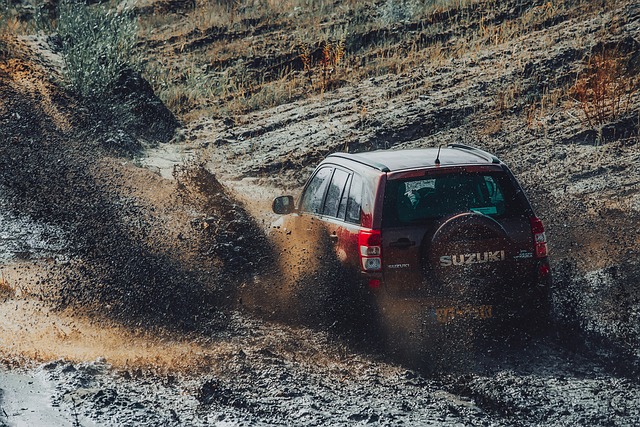
McCallen’s favorite overland 4×4 trails offer exhilarating adventures for off-road enthusiasts, demanding robust vehicles and skilled driving. This article delves into the significance of caliper kits in enhancing the performance and safety of your rig while navigating these challenging routes. We’ll explore their function, benefits, installation tips, and maintenance considerations to help you conquer McCallen’s favorite trails with confidence.
Introduction to McCallen’s Favorite Overland 4×4 Trails
McCallen’s favorite overland 4×4 trails are renowned for their breathtaking scenery, diverse terrain, and demanding challenges. These routes attract adventurous drivers looking to push the limits of their vehicles. Success on these trails hinges on several factors, including robust vehicle modifications, skilled driving techniques, and essential accessories like caliper kits.
Caliper kits, specifically designed for off-road performance, play a crucial role in enhancing braking power, control, and safety when tackling McCallen’s favorite overland 4×4 trails. This article will guide you through the intricacies of these powerful components, empowering you to maximize your off-road experience.
Understanding Caliper Kits: The Off-Road Advantage
A caliper kit is a crucial upgrade for off-roading vehicles, offering significant advantages over standard brake systems:
What Are Caliper Kits?
Caliper kits are high-performance braking components that replace the stock calipers with more robust, often larger, alternatives. They consist of upgraded calipers, piston sizes, and pads designed to handle increased stopping power and heat dissipation, essential for demanding off-road conditions.
Benefits for McCallen’s Favorite Trails:
On challenging trails like those found in McCallen’s favorites, a caliper kit provides:
- Enhanced Braking Power: Increased clamping force translates to faster stop times and improved control during steep descents or sudden maneuvers.
- Better Heat Dissipation: Off-road driving generates immense heat under brakes, especially on long descents. Caliper kits incorporate advanced cooling features to prevent overheating, ensuring consistent braking performance throughout your journey.
- Increased Durability: High-quality caliper kits are built for rugged conditions, with materials and construction designed to withstand the constant wear and tear of off-road travel.
- Better Control and Precision: The improved braking force and heat management allow for more precise control over your vehicle, crucial for navigating tight turns, rocky terrain, and unpredictable surfaces.
Choosing the Right Caliper Kit for Your Vehicle
Selecting a suitable caliper kit requires careful consideration of several factors:
Vehicle Compatibility:
Ensure the kit is designed specifically for your make and model year. Incompatible kits may not fit properly or perform optimally, potentially leading to safety issues.
Trail Conditions:
Consider the type of terrain you’ll be encountering most frequently. If you primarily tackle rocky, steep descents, opt for a caliper kit with higher clamping force and robust heat dissipation capabilities. For more technical trails with numerous obstacles, prioritize kits offering precise control and modulation.
Budget:
Caliper kits vary significantly in price based on brand, materials, and features. Set a budget range and research options within that range to find the best value for your needs. Remember, investing in quality will pay dividends in performance and longevity.
Installation Expertise:
Caliper kit installation requires specialized knowledge and tools. Seek professional assistance if you lack experience, as incorrect installation can compromise safety and vehicle performance.
Installation: A Step-by-Step Guide
-
Preparation: Gather all necessary tools, jack stands, and safety equipment. Park your vehicle on a level surface and engage the parking brake.
-
Lift and Support: Use a reliable jack and stands to safely lift your vehicle and support it securely off the ground. Follow manufacturer guidelines for correct stand placement.
-
Remove Stock Calipers: Disconnect the caliper mounting bolts and carefully remove the stock calipers, being mindful of any associated hardware.
-
Install New Caliper Kit: Position the new caliper kit onto the brake rotor mounting surfaces. Ensure proper alignment and secure it with the provided bolts, tightening them according to the manufacturer’s specifications.
-
Braking System Fluids: Bleed the braking system thoroughly after installation to ensure optimal performance and eliminate any air bubbles in the lines.
-
Test Drive: After lowering your vehicle, take a short test drive to verify proper brake operation, pedal feel, and absence of vibration or pulling to one side.
Maintenance and Care for Optimal Performance
Proper maintenance is essential to ensure peak performance and longevity from your caliper kit:
-
Regular Inspection: Visually inspect calipers for signs of wear, corrosion, or damage at regular intervals. Check brake pads for thickness and replace them as needed.
-
Fluid Levels: Maintain appropriate levels in the master cylinder reservoir and check for contamination or discoloration that may indicate fluid degradation.
-
Professional Servicing: Schedule periodic brake service by a qualified mechanic to ensure your caliper kit remains in optimal condition.
-
Avoid Extreme Conditions: While caliper kits are designed for off-road use, prolonged exposure to extreme heat or cold can affect performance. Protect your vehicle from excessive environmental factors when not in use.
Frequently Asked Questions (FAQs)
1. Do I need a caliper kit if my vehicle already has good brakes?
While stock brakes may suffice for everyday driving, off-road conditions present unique challenges that require enhanced stopping power and heat dissipation. A caliper kit offers significant advantages on McCallen’s favorite trails where demanding terrain and sudden maneuvers are common.
2. How much more powerful are caliper kits compared to stock brakes?
Power differences vary based on the specific kit and vehicle application. However, caliper kits can deliver anywhere from a 20-50% increase in clamping force over stock brakes, providing significantly better braking performance.
3. Can I install a caliper kit myself, or do I need a professional?
Caliper kit installation requires specialized knowledge and tools. While some DIY enthusiasts may be capable of installing basic kits, complex systems are best left to experienced mechanics to ensure proper alignment, safety, and optimal performance.
4. How often should I replace my brake pads and rotors with a caliper kit?
Brake pad life varies depending on driving conditions, vehicle weight, and braking habits. Generally, expect pads to last several thousand miles, but frequent off-road use may necessitate more frequent replacement. Inspect pads regularly for wear and consider replacing them when they reach 20-30% of their original thickness.
5. Are there any downsides to using a caliper kit?
While caliper kits offer numerous advantages, there are some potential drawbacks:
- Increased Cost: Caliper kits can be significantly more expensive than stock brakes.
- Weight: Heavier calipers and pads may slightly reduce fuel efficiency and increase suspension loading.
- Slightly Higher Maintenance: Regular inspection and maintenance are crucial to ensure optimal performance and longevity of the kit.
Conclusion:
McCallen’s favorite overland 4×4 trails demand rugged vehicles and skilled drivers, but with a caliper kit, you gain a powerful ally in conquering these challenging routes safely and confidently. By understanding their function, benefits, and proper maintenance, off-road enthusiasts can unlock the full potential of their rigs, exploring every nook and cranny that these stunning trails have to offer.